01
Renewable and clean energy
Commercial work with renewable and clean generation: a route from an asset to a buyer that can commit.
Read more

Energy company
Bayline Holding works in renewable and clean energy, power purchase agreements and energy trading, and the sale of energy from generating assets to large offtakers, including AI data centres.
01
Commercial work with renewable and clean generation: a route from an asset to a buyer that can commit.
Read more02
Power purchase agreements and the energy trading that can sit around them.
Read more03
Helping owners of generating infrastructure sell energy contracts to AI data centres and other large buyers.
Read moreAt a glance
160 MW+0 MW+
Energy capacity
Contracted, financed or under management
12+0+
Projects
Across energy and infrastructure
130K+0K+
Tonnes of CO₂
Estimated annual avoidance potential at full operation
60
Markets
Countries with project activity or development interests
$420M+$0M+
Project and engagement value
Across projects and engagements
Markets we serve
01Why Bayline
01
Bayline is organised around agreements that let generation be sold and demand be met, not around a technology brand.
02
Owners of generation and large buyers are served in the same conversation, so the terms are not written for only one of them.
03
Renewable and clean generation is a brief the buyer can set. It is not assumed, and it is not marketed as a carbon total.
04
AI data centres, hyperscalers, industry, utilities, and the public sector are different buyers. The site says so.
05
Company-level capacity, project count, markets, avoidance potential, and engagement value are stated where Bayline has confirmed them. The Lusail solar and storage project is named. Other clients are not.
06
Volume, delivery, and trading questions do not end when a contract is signed. Bayline describes that follow-on work without promising a control room.
01From first conversation to contract
Origination, contracting, offtake for large loads, insight, and the risks inside the terms.
01
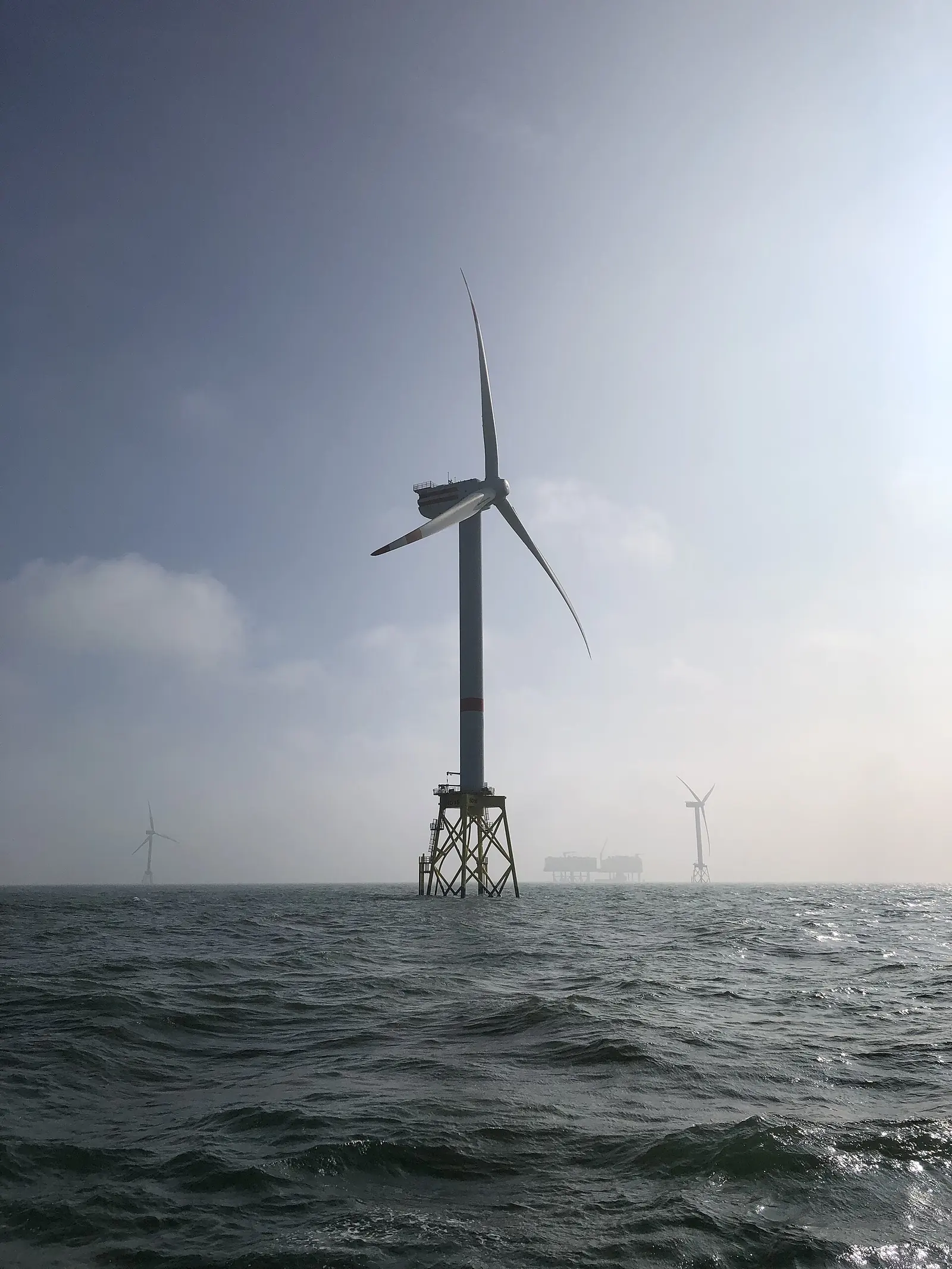
Clean generation is only useful to a buyer once it can be contracted. Bayline works on that commercial path.
Commercial work with renewable and clean generation: a route from an asset to a buyer that can commit.
Read this solution
Clean generation
Renewable and clean generation reaches a buyer through a contract. Bayline works on that path, and on the power purchase agreements and energy trading that sit around it.
Renewable and clean energy02Capability
These are the commercial levers. They are not a software product and they are not a published tariff.
Fixed, indexed, or shaped prices are put in a form both sides can compare. Bayline does not publish a tariff.
How much energy, and for how long, is agreed by the parties. Figures stay confidential until they choose to share them.
Where the power is delivered, and what that means for the contract, is part of the commercial frame.
Where a buyer wants renewable or clean generation, that preference is part of the offtake brief.
Energy trading can sit beside a power purchase agreement. Bayline does not publish a book of standard products.
Credit, delivery risk, and who is signing are discussed in plain terms. No credit rating or limit is stated on this site.
Generator to offtaker
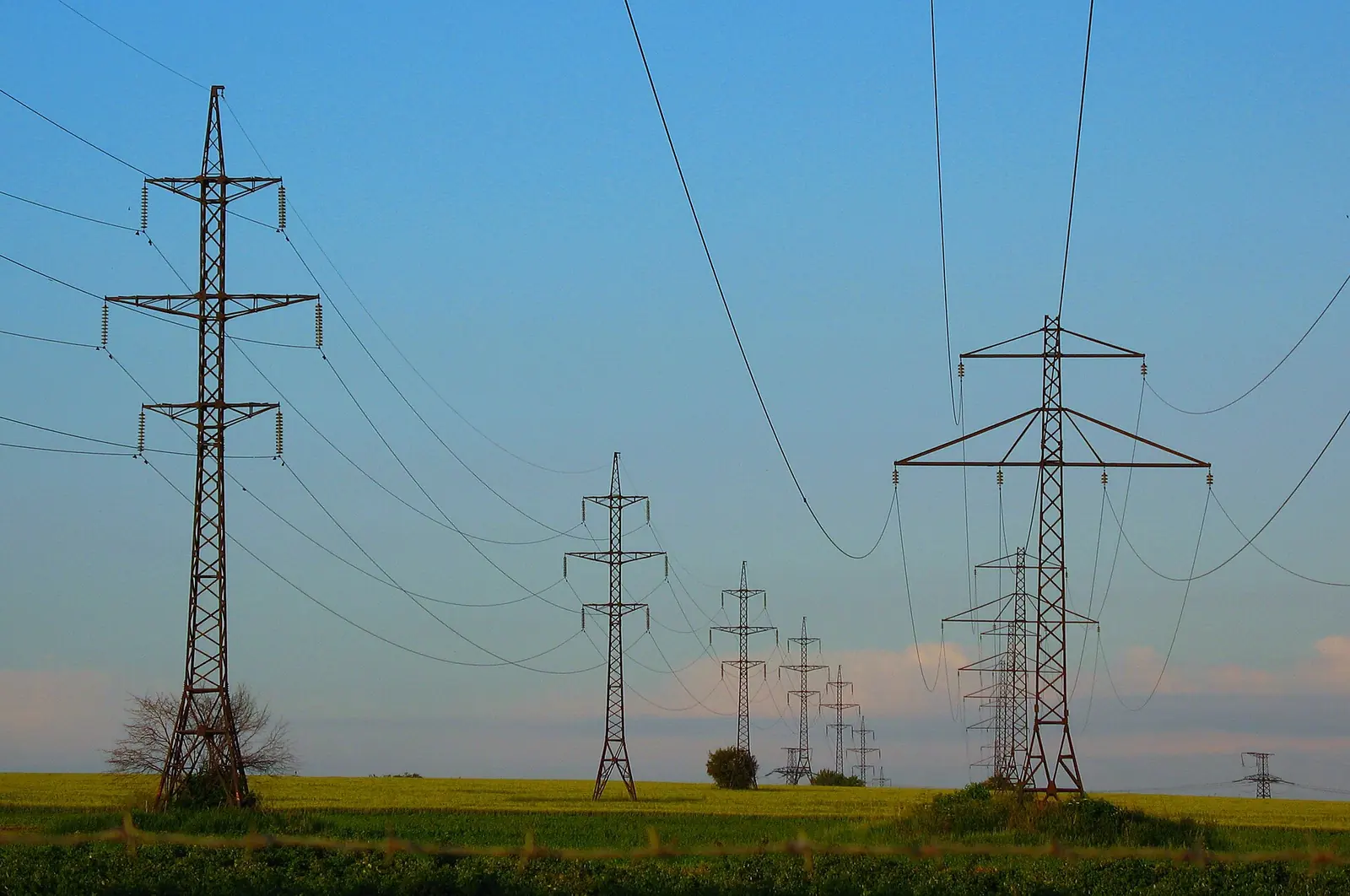
That includes AI data centres, hyperscalers, and industrial buyers. Bayline works between those sides so energy can be sold under contract.
How offtake works03Who we serve
Four kinds of counterparty. No client list is published.
01
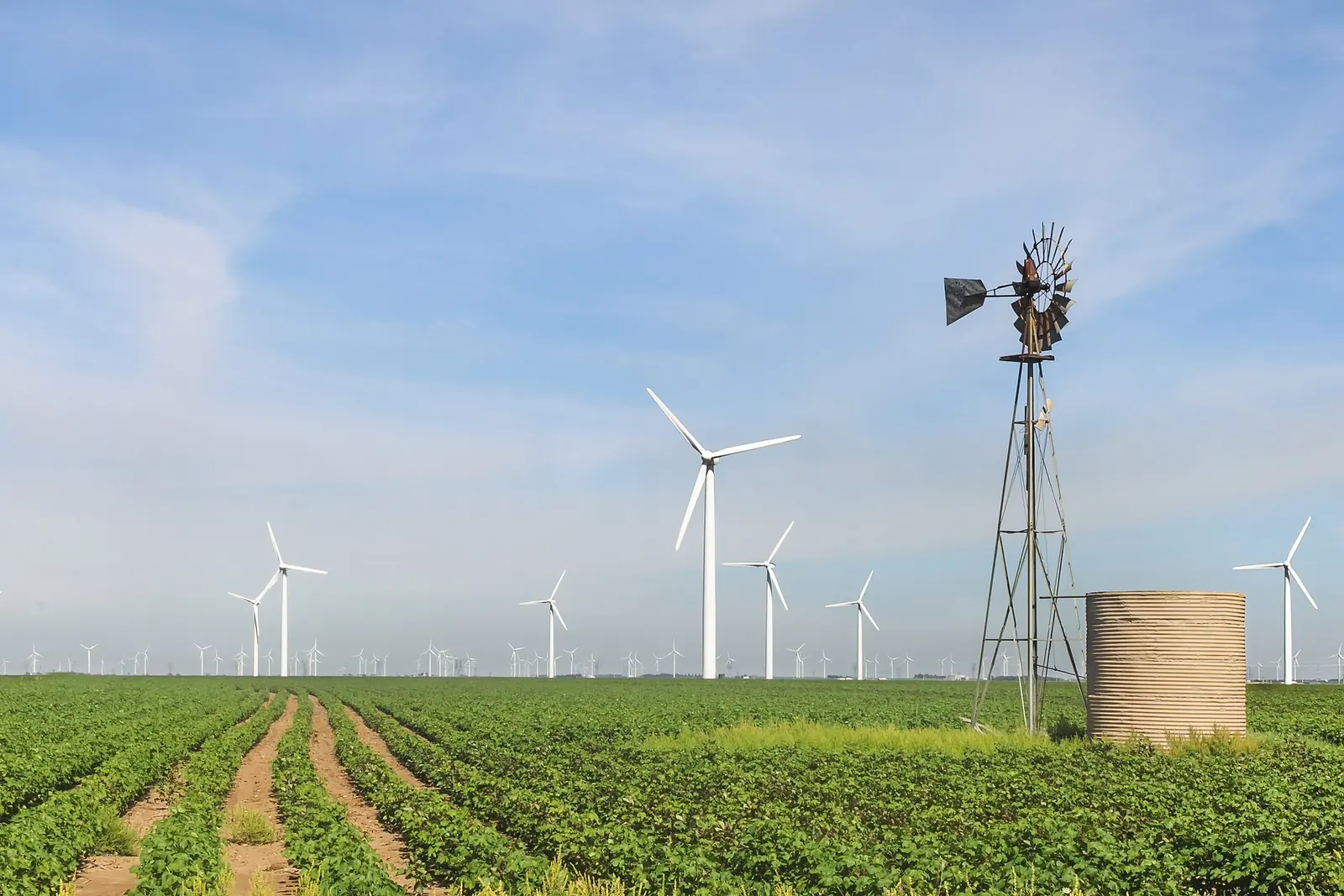
Companies that own energy-generating infrastructure and need a route to sell that energy under contract.
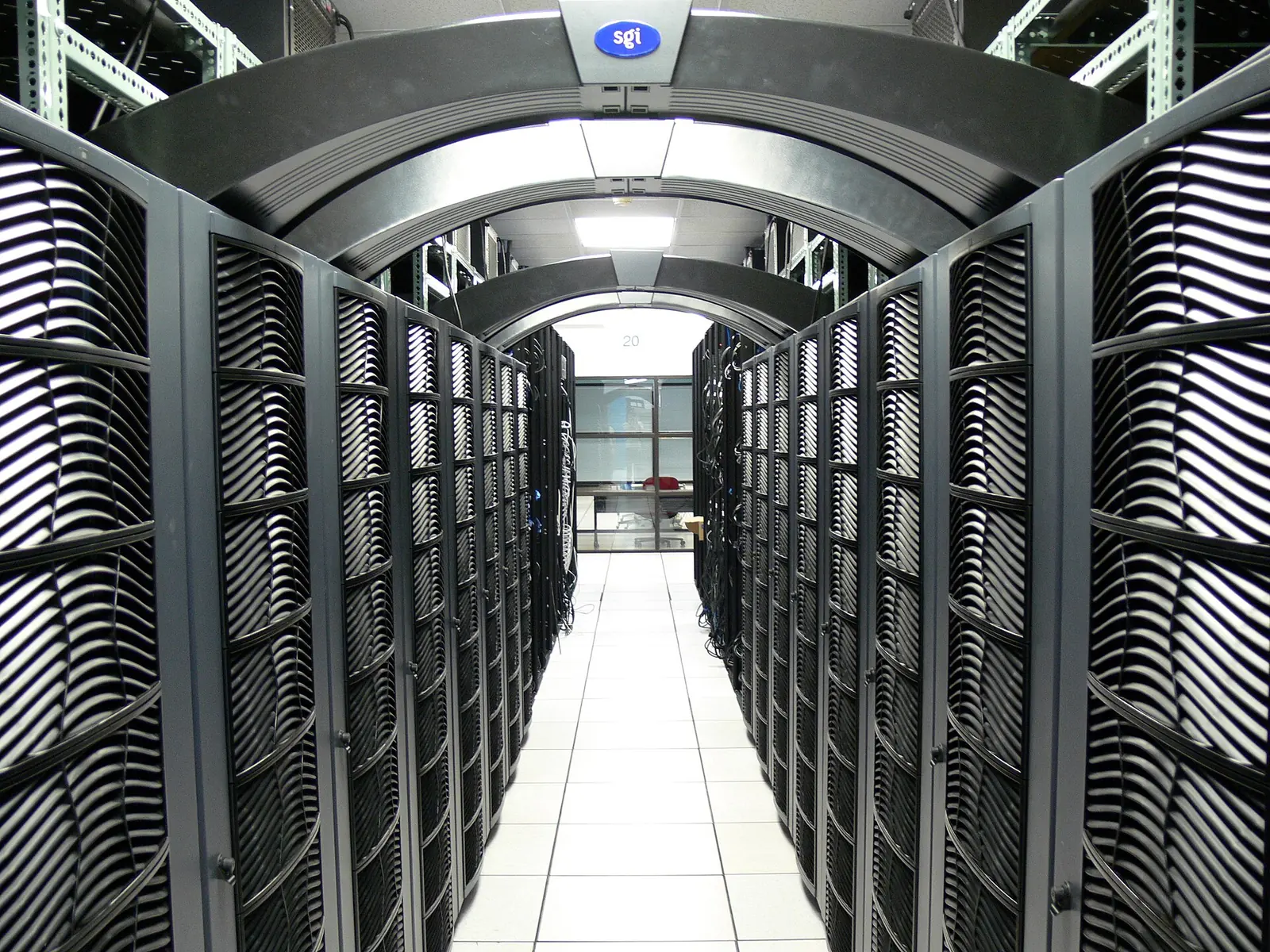
02
Facilities whose power demand is large, and often on a timetable that standard supply does not match alone.
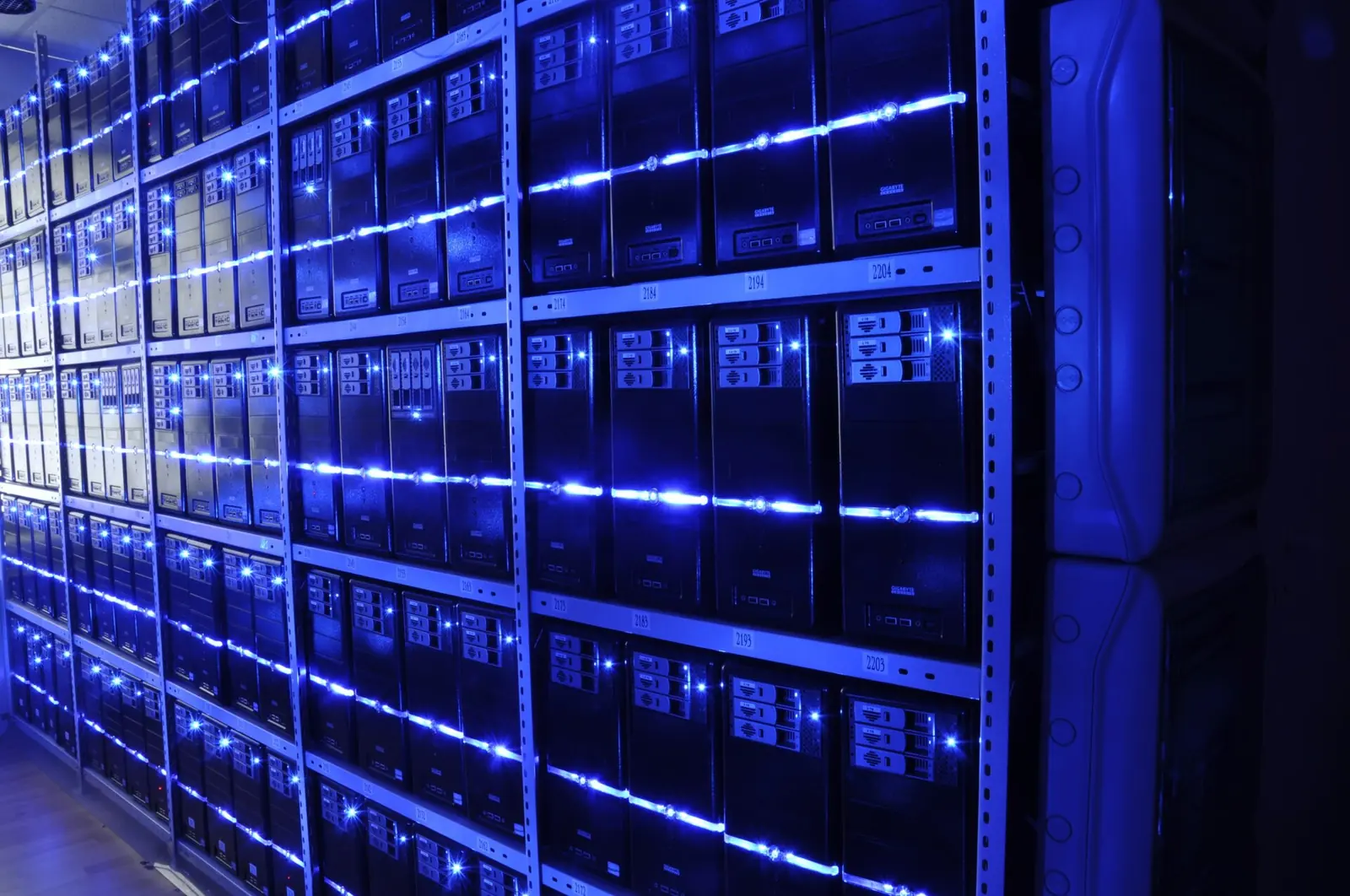
03
Organisations adding computing capacity at a scale where energy is now part of the siting decision.

04
Manufacturers and other industrial users with material electricity demand who want a contracted source.
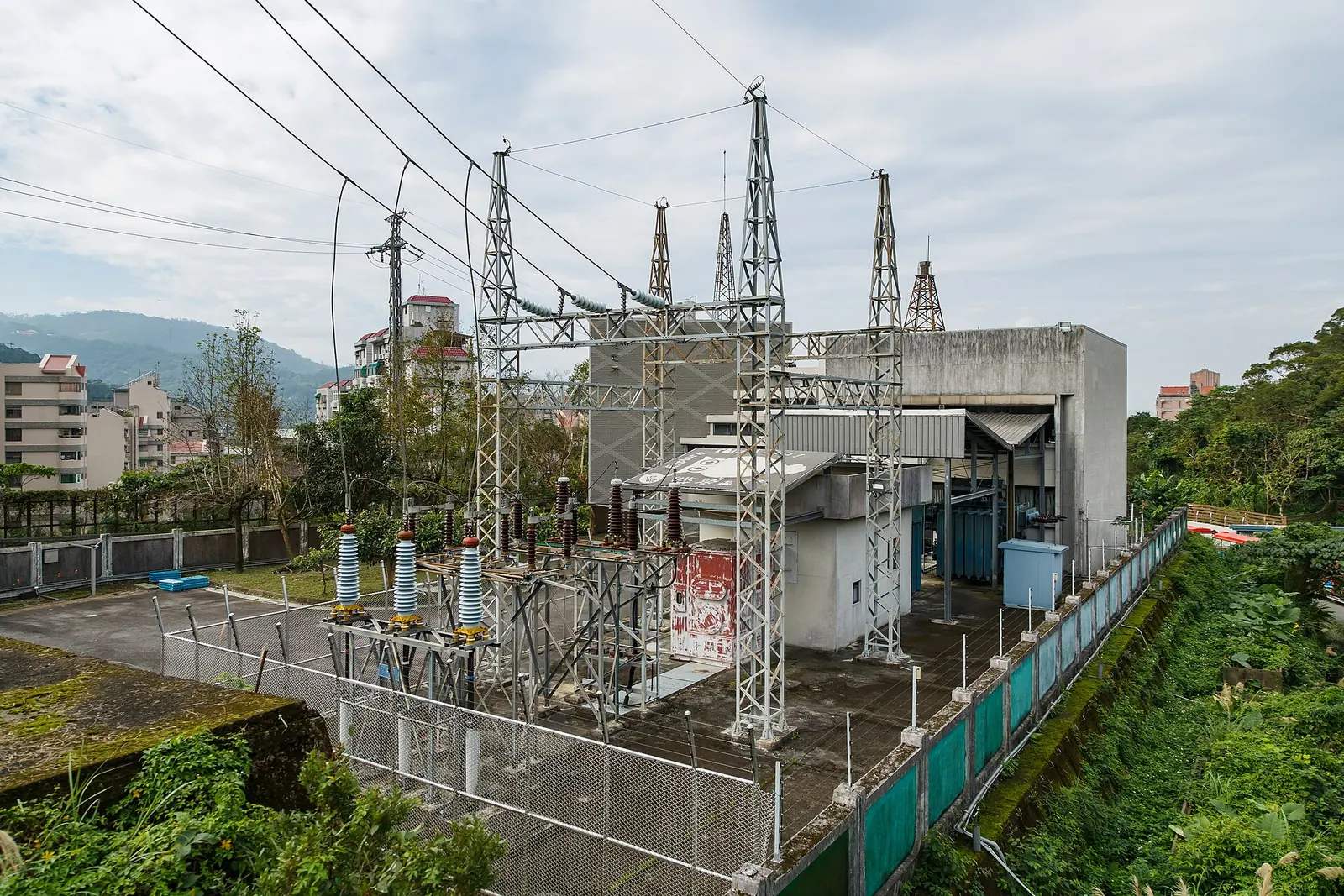
05
Network and supply businesses that meet generation and large loads at the edge of the grid.
06
Campuses, portfolios of buildings, and mixed industrial estates with a power bill large enough to contract.
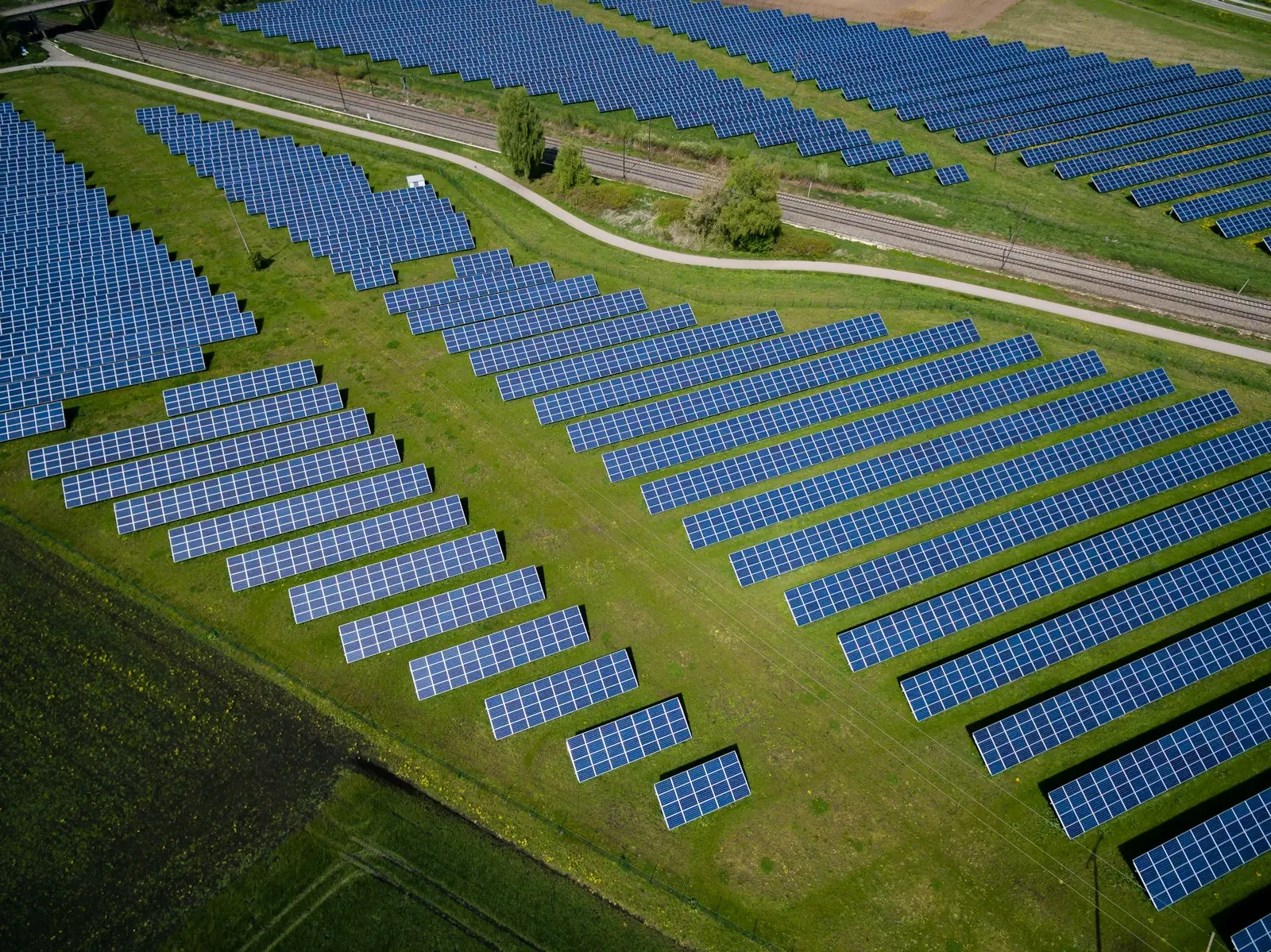
07
Public bodies whose procurement rules shape how, and how quickly, power can be contracted.
04How it works
Illustrative only. Not a timetable and not a promise of an outcome.
Introduce the asset
Share what you are comfortable sharing: the form of generation, where it sits in general terms, its status, and the kind of offtake you want to discuss. Figures stay with you until you choose to share them.
Test the offtake
We look at which buyers could take the power. That includes AI data centres, hyperscalers, and industrial loads, as well as other contracted buyers.
Shape the contract
A power purchase agreement or another energy contract is put in commercial terms both sides can evaluate: volume, tenor, price structure, and delivery.
Carry it through
Bayline stays with the commercial coordination as the parties move toward an agreement.
Describe the load
Tell us where power is needed, the character of the demand, and the horizon you are planning against. You do not need a finished specification to begin.
Match supply
We look across owners of generating infrastructure for supply that could serve the requirement, including renewable and clean energy where that is what you are seeking.
Set the commercial frame
Volume, tenor, price approach, and delivery are put into a form both sides can negotiate. Trading can sit around that commitment where it is relevant.
Contract
The parties agree terms. Bayline stays available for the commercial questions that follow a signature.
Sustainability
Where a buyer wants renewable or clean generation, that preference is part of the offtake. Bayline does not publish an emissions inventory. The avoidance figure below is an estimate of potential at full operation, not an audited carbon account.
130K+
Tonnes of CO₂
Estimated annual avoidance potential at full operation. Energy capacity across the same activity is 160 MW+, contracted, financed or under management.
Sustainability and impact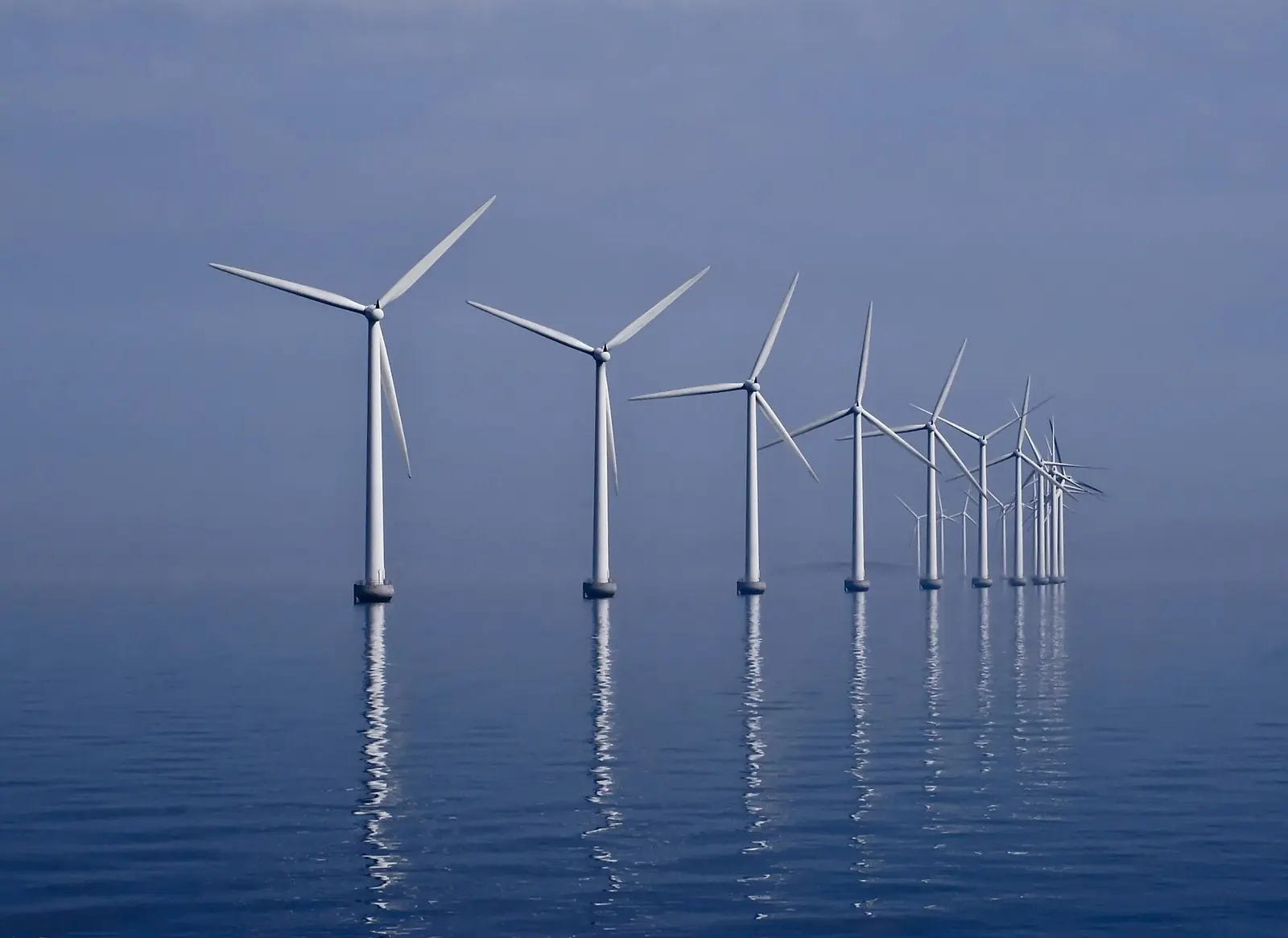
Insights
Three of the longer notes. They explain structures. They do not report Bayline results.
Data centres
What a contract can settle when a computing load is large, fast, and unwilling to wait on an ordinary connection.
Contracting
Two contracts share a name and solve different problems. Mixing them up is how term sheets go wrong.
Risk
A hedge moves a price exposure. It does not abolish weather, credit, or the gap between two locations.
People
Bayline does not publish a headcount. The preference is for plain terms: volume, tenor, price, delivery, and who is signing.
Partnerships
Those are the relationships the business is built for. Advisers join when a party asks for them. No partner is named.
Partnerships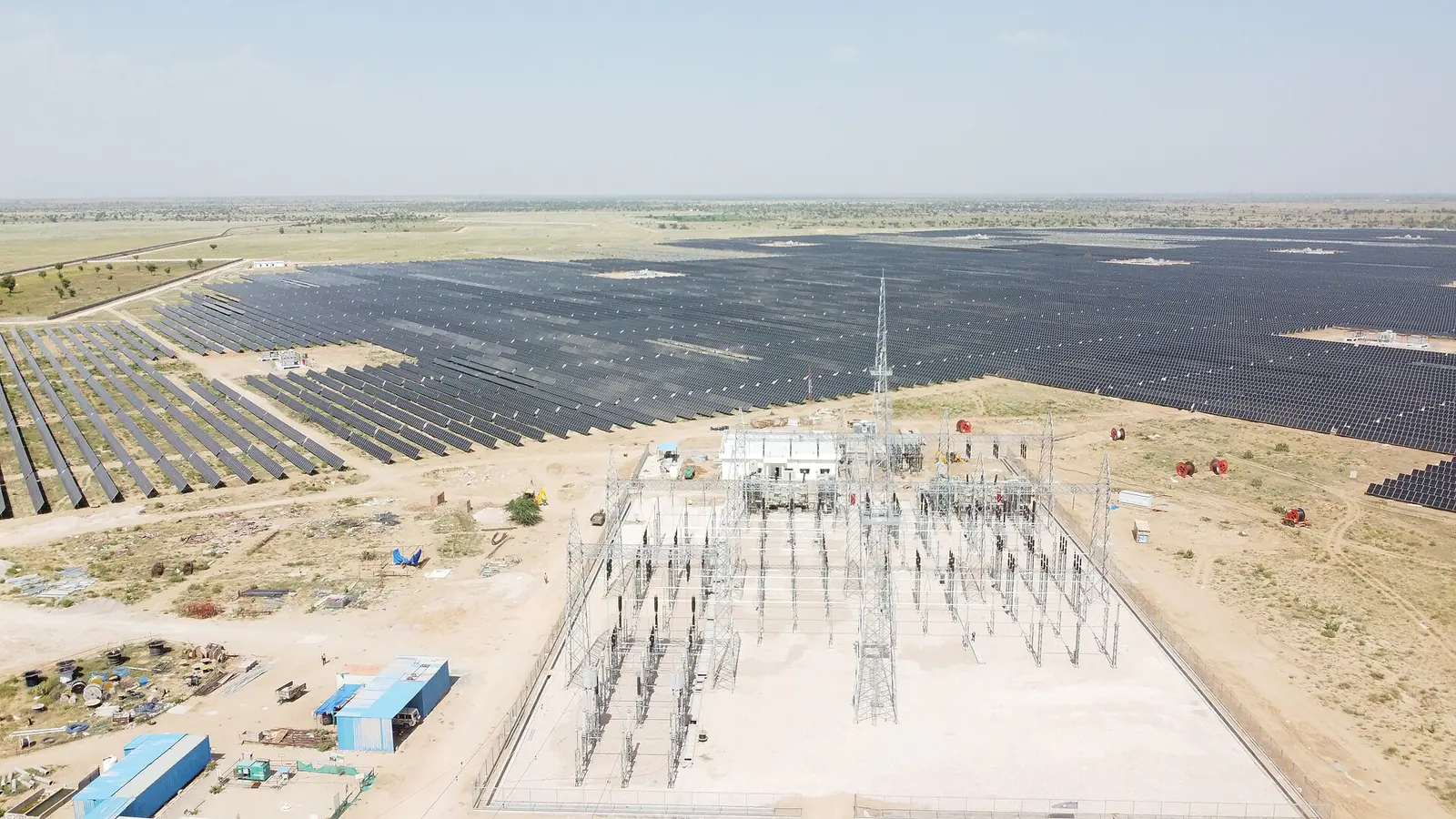
Project
35 MW · Lusail, Qatar · In construction
Solar PV and battery storage. Proposed project financing with a private energy firm.
The project
Bayline Holding LLC obtains the necessary financial authorisations and operates Bayview Capital Partners as its registered trading name and business division. Clients can ask about investing in energy contracts and energy portfolios. No return, yield, or capital protection is stated.
Owners of generation, and buyers of power, can start with a short note. The form sends it to [email protected].
Contact Bayline