
Electricity networks were not built for every new load and every new generator at once. Capacity at a substation is finite. When more generation wants to inject than the wires can carry, output is curtailed. When more load wants to connect than the same wires can supply, the load waits, pays for reinforcement, or moves. Both situations show up in contracts as arguments about volume. They should show up earlier, as a question of whether the volume was ever firm.
Curtailment is not a single thing. It can be an instruction from the system operator to a plant that is already running. It can be a constraint inside a generator’s connection agreement that limits export in stated conditions. It can be economic: the plant chooses not to run because the price is below its cost, which is not curtailment at all and should not be labelled as such. A PPA that says the buyer takes all exported energy needs a definition of export. If export falls because of a network instruction, the buyer did not fail to take the power. The network refused it. Who bears that lost volume is a clause. Silence is an argument waiting for a windy, congested afternoon.
Connection queues create the mirror problem for buyers. A data centre or a factory with a target opening date may be offered a connection years later, or a connection that is non-firm. Non-firm means the network can limit the site when it is constrained. Building a commercial case on a non-firm connection without saying so is how boards get surprised. The contract with a generator cannot upgrade the buyer’s connection. It can record that the buyer’s duty to take is limited by what the network actually allows. That is a smaller promise, and it is the one that can be kept.
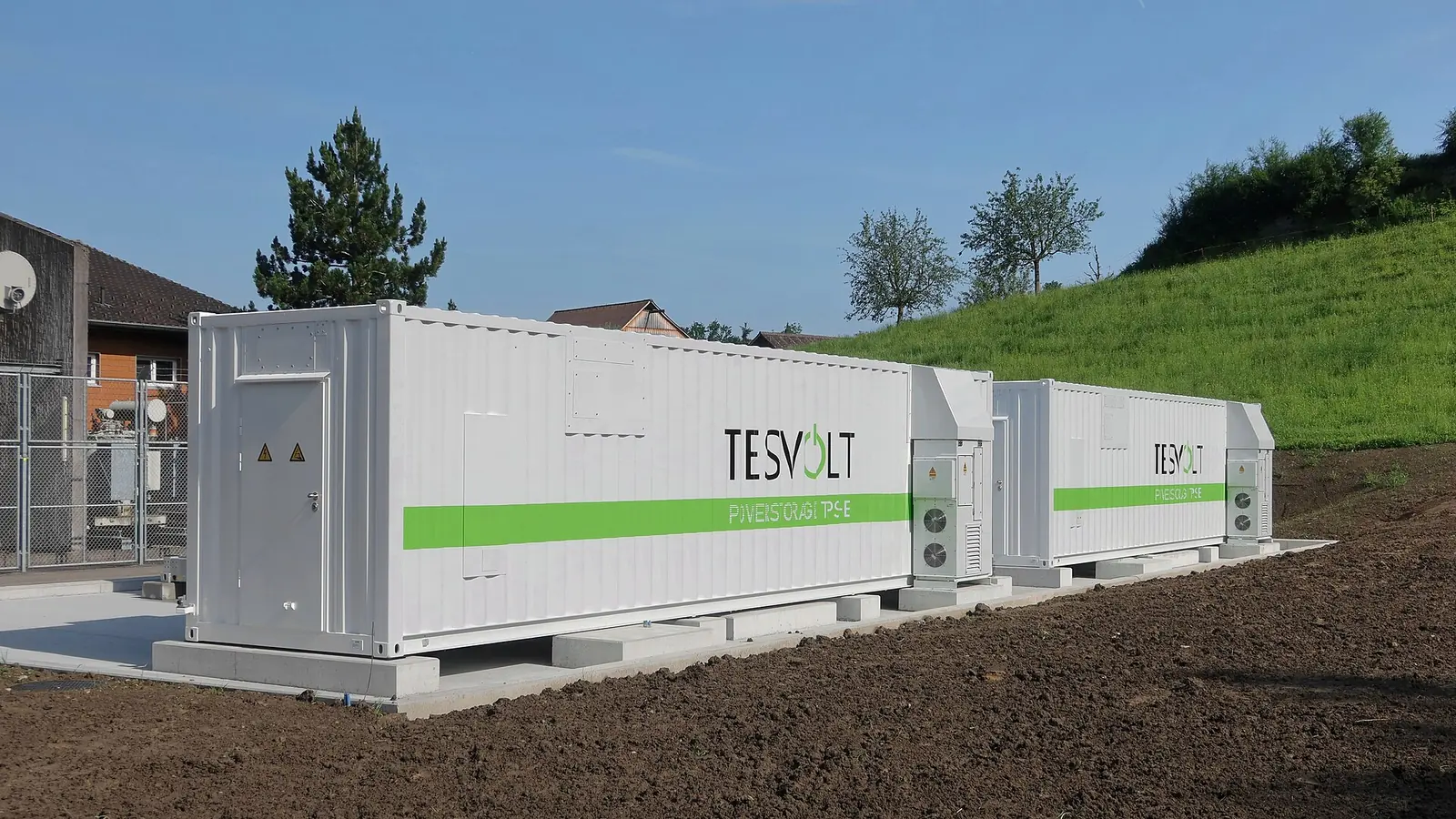
Storage changes the shape of both problems and solves neither by magic. A battery at a solar plant can move afternoon energy into the evening and can reduce the amount of energy that hits a constraint in the solar peak. It cannot move energy across a year, and it cannot create a connection that was refused. A battery at a data centre can ride through short interruptions and can shave a peak. It does not replace a hundred-megawatt connection if it is a one-hour battery. Duration, cycle limits, and round-trip losses are the facts a design has to state. This note does not describe a standard battery.
Location decides which storage is even relevant. Behind the meter, on the generator’s side of the constraint, storage fights curtailment. On the buyer’s side, it fights peak charges and rides through faults. In the market, as a standalone asset, it buys and sells time spreads and may provide services to the system operator. Those are three businesses. A term sheet that says storage without saying which one is not a term sheet.
Reinforcement, the slow option, is the wires themselves being rebuilt. It is lumpy, permitted, and often socialised or charged to the connector under rules Bayline does not administer. A commercial party can sometimes pay to go faster. Whether that payment is allowed, and whether it buys firmness or only a place in a queue, is a regulatory fact in the relevant country. This page will not pretend those rules are the same everywhere.
The contractual habits that survive contact with constraints are dull. Define firm and non-firm. Define who bears curtailed volume. Set the buyer’s take obligation no higher than its connection. If storage is part of the offer, state duration and where it sits electrically. Revisit the volume if a connection offer comes back smaller than the one the price assumed. None of these habits require a forecast of how congested a named node will be. Publishing that forecast without a study would be theatre.
Bayline’s contribution is to keep the network inside the commercial conversation. A generator and a data centre can agree a price and still have nothing to deliver if the wires between them, or into the site, cannot do the job. Saying that early is the whole of the insight. The rest is engineering and regulation, which the parties must take from the people qualified to give it.
This note explains how these contracts and risks usually work. It is not a forecast, not a record of a Bayline transaction, and not a substitute for advice on a particular grid or statute.
All insights